Long before the emergence of impact investing, social entrepreneurship or ESG finance, the Islamic economic tradition had developed a sophisticated ecosystem combining finance, solidarity, entrepreneurship and social welfare.
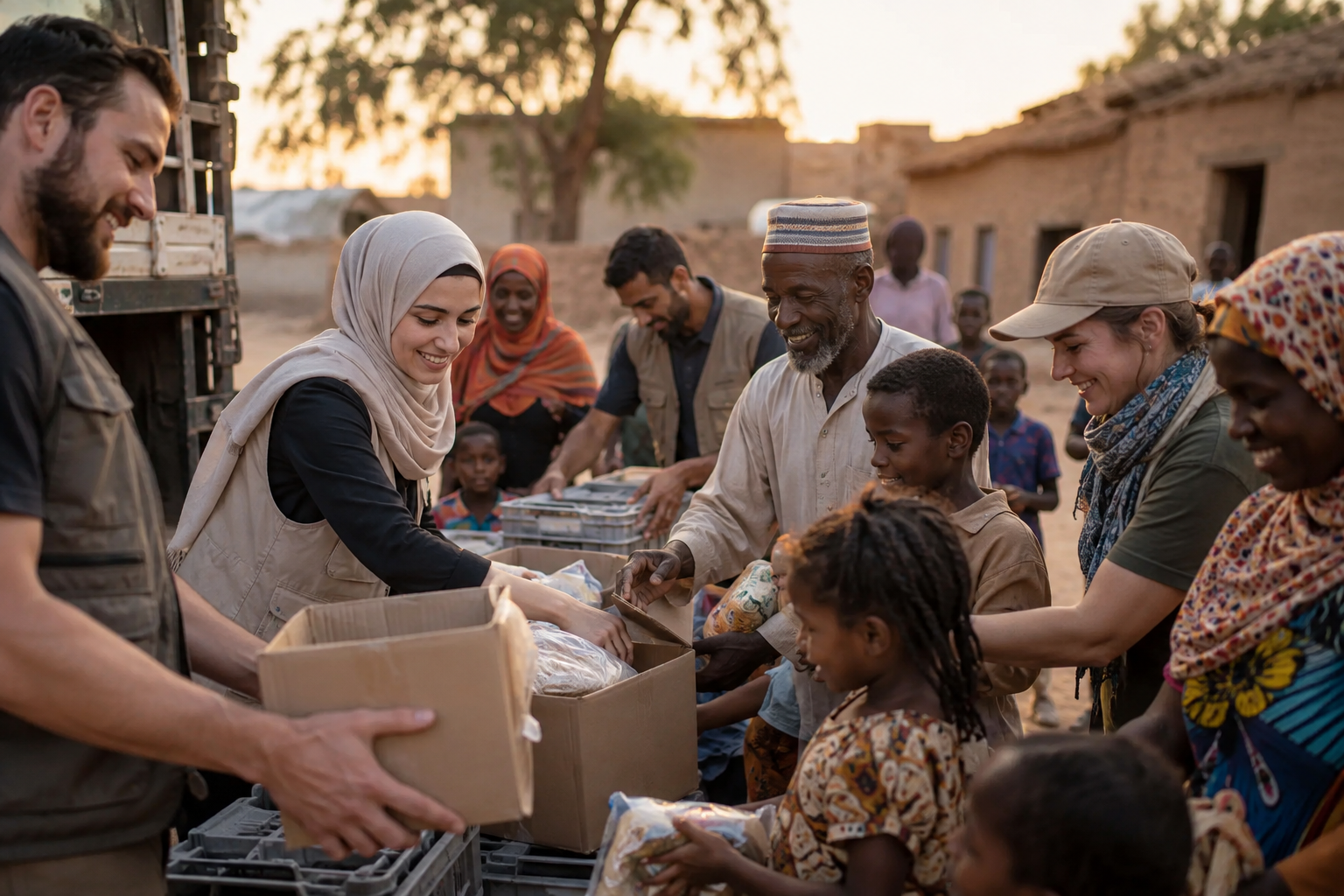
Through instruments such as Zakat (mandatory wealth redistribution), Waqf (endowments dedicated to the common good), Takaful (mutual solidarity and risk-sharing), Islamic microfinance and other forms of ethical finance, resources were mobilised not only to alleviate poverty but also to finance education, healthcare, infrastructure, entrepreneurship and community development.
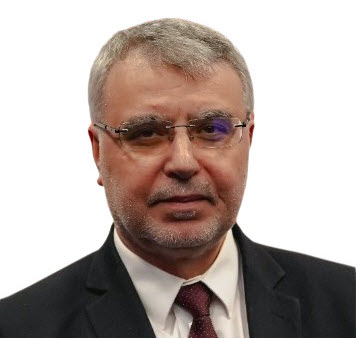
In this talk, Mohamed Boulif, international expert and pioneer in Islamic finance in Europe, will explore this lesser-known dimension of Islamic finance: its potential as a genuine social and impact finance ecosystem.
Rather than presenting Islamic finance simply as an alternative financial system for Muslims, the discussion will ask a broader question:
What can contemporary Western societies and the impact economy learn from these centuries-old institutions?
Drawing on historical examples as well as contemporary experiences, the presentation will examine how principles such as wealth circulation, shared responsibility, risk-sharing, productive philanthropy and long-term endowment could contribute to current debates on social finance, poverty reduction, financial inclusion and sustainable impact.
The objective is not to transpose one model into another culture, but to open a dialogue between different economic traditions and explore how some of these ideas could inspire new approaches to impact in Europe today.